Guide
Pueblo cold weather, by the numbers
Thirty years of readings from Pueblo Memorial Airport, put into terms that matter for heating a house.
The heating season
- Oct 9median first freeze in fall
- Apr 30median last freeze in spring
- 165nights a year at 32°F or colder
- 6.4nights a year at 0°F or colder
Source: NOAA U.S. Climate Normals 1991 to 2020, station USW00093058.
The coldest months
December and January are nearly tied. The normal low is 15.9 degrees in December and 15.4 in January, with afternoon highs in the upper 40s. February's normal low is 19.0. Those daytime highs mean many winter days swing more than thirty degrees, so the furnace often runs hard overnight and rests after lunch.
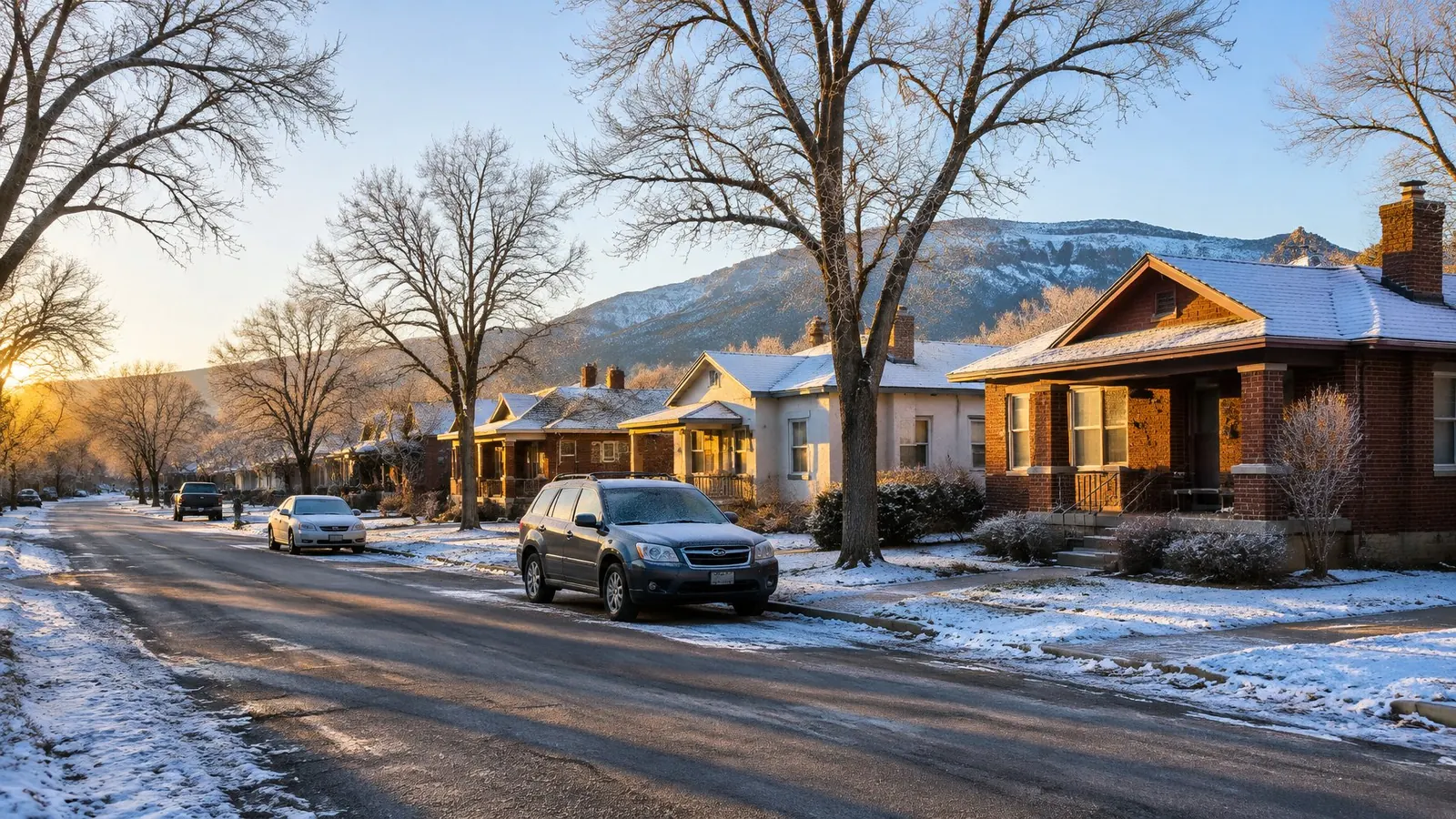
Snow arrives in small, frequent doses
The normal yearly snowfall is 28.3 inches. November through March each average somewhere between about four and five inches, and April adds a little more. Light snow that drifts against a wall can still block a furnace's side-wall vent.
Heating versus cooling
NOAA's degree-day totals put Pueblo at about 5,334 heating degree days and 1,078 cooling degree days a year. Heating degree days outnumber cooling degree days about five to one, which is worth remembering when deciding where efficiency spending pays back.
What to do with the numbers
- Book the furnace tune-up before early October.
- Check the filter monthly from November through March.
- Clear snow from side-wall vent pipes after each storm.
- Keep an eye on National Weather Service Pueblo forecasts for the deep cold nights.
Where these facts come from
Cold house, warm house, or a system you're unsure about?
Call and describe what the furnace or air conditioner is doing. You'll be put through to an independent HVAC contractor who works in Pueblo, and the two of you take it from there.