Safety
Carbon monoxide, furnaces and Colorado's alarm law
A gas furnace that's working properly sends its exhaust outdoors. When something in that path fails, carbon monoxide can reach the rooms. Here's what to know.
Why it's dangerous
The CDC describes carbon monoxide as an odorless, colorless gas. The symptoms it lists include headache, dizziness, weakness, upset stomach, vomiting, chest pain and confusion. People who are asleep can be overcome before they notice anything.
How a furnace can cause it
- A crack in the heat exchanger, the metal wall between the flames and the house air.
- A blocked or disconnected flue, or a chimney obstruction.
- Burners running dirty from poor adjustment or not enough combustion air.
- Exhaust pipes on an outside wall buried by snow.
If the alarm sounds
Get everyone out, pets included, and call 911 from outside. Don't go back in to open windows or look for the cause. Once the fire department clears the house, have the furnace checked before using it again.
What Colorado law requires
C.R.S. 38-45-102 applies to single-family homes that have a fuel-fired heater or appliance, a fireplace or an attached garage. It requires an operational carbon monoxide alarm within fifteen feet of the entrance to each room lawfully used for sleeping, or where the applicable building code specifies, in these situations:
- When the home is offered for sale or transfer.
- When interior alterations, repairs, fuel-fired appliance replacements or additions require a building permit.
- When one or more sleeping rooms are added.
C.R.S. 38-45-103 applies similar rules to units in multi-family buildings. Both sections also make it unlawful to pull the batteries or otherwise disable an alarm, except while servicing it.
Practical placement
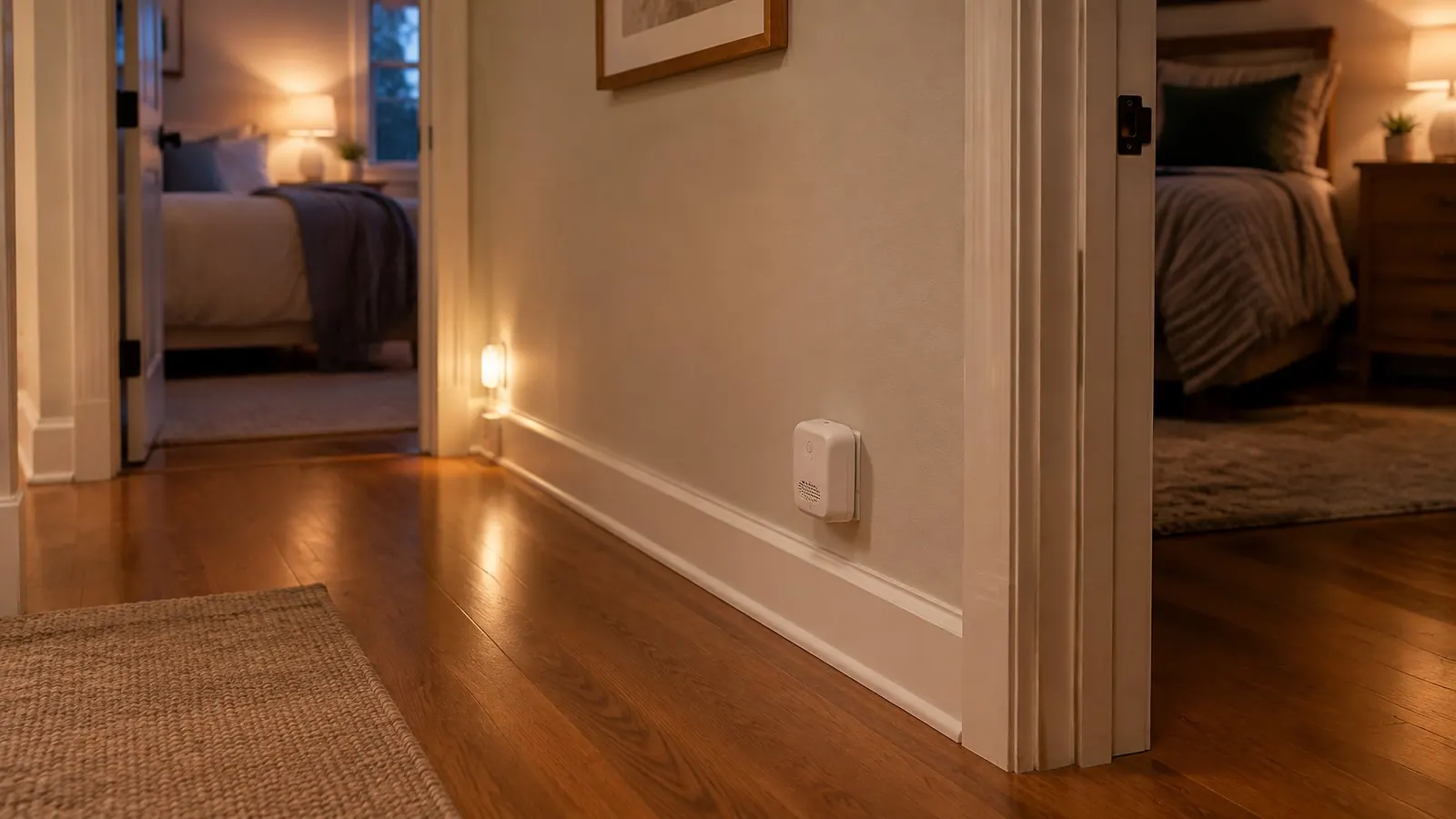
Put alarms in the hallway outside the bedrooms, and follow the maker's instructions on height and distance from the furnace. Test them monthly and replace them by the end-of-life date printed on the back.
Where these facts come from
Cold house, warm house, or a system you're unsure about?
Call and describe what the furnace or air conditioner is doing. You'll be put through to an independent HVAC contractor who works in Pueblo, and the two of you take it from there.